
AddictionscienceCall (903) 639-7008

Tree Service in Longview, TX

Storm-Ready Tree Care for East Texas Yards

Seasonal pruning, storm cleanup, tree removal, and stump grinding across Longview and Gregg County, with same-week scheduling and a crew that answers day or night when a limb comes down.

  • Same-week storm help
  • ISA Certified Arborist
  • Licensed and insured
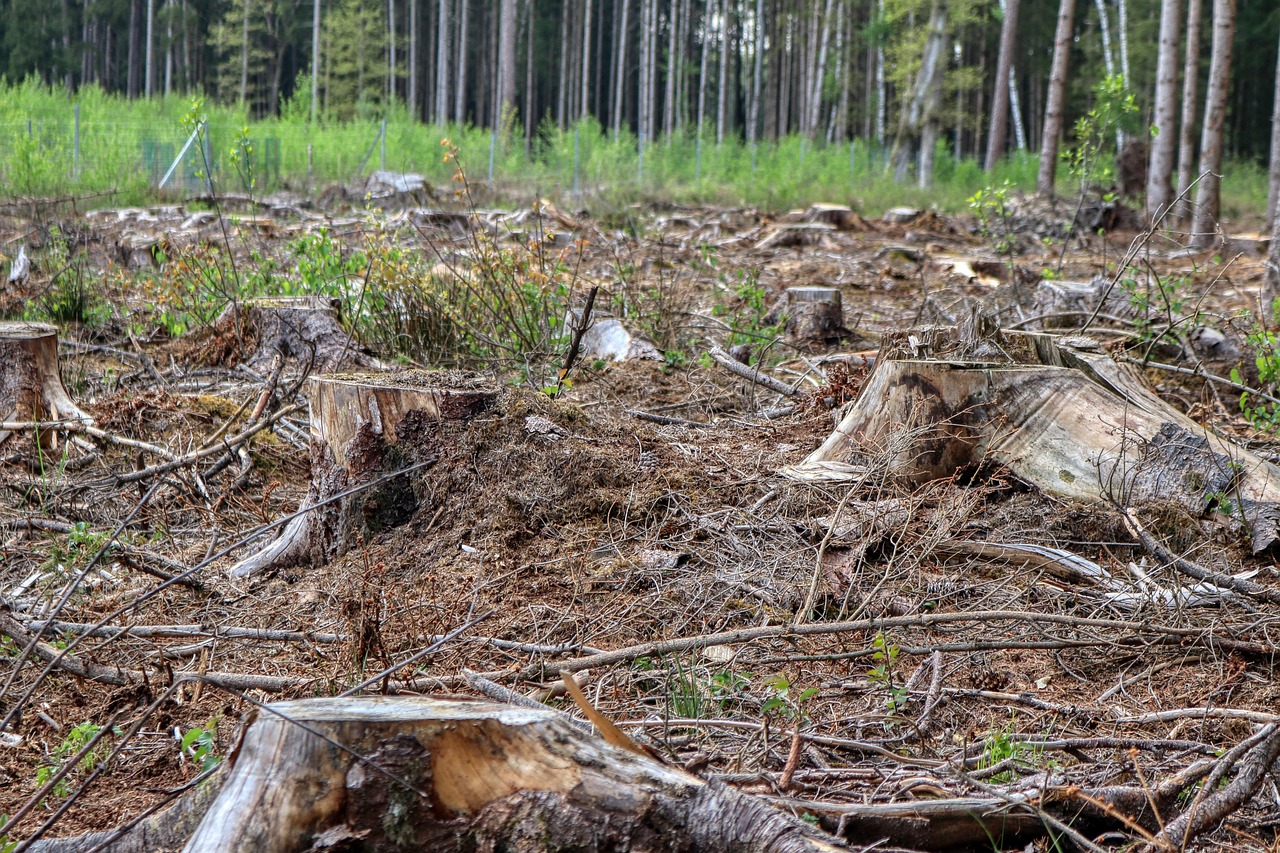
Tree service crew clearing storm damage in Longview, TX

Storm Ready

Timely reminders for protecting your trees before and after East Texas storms.

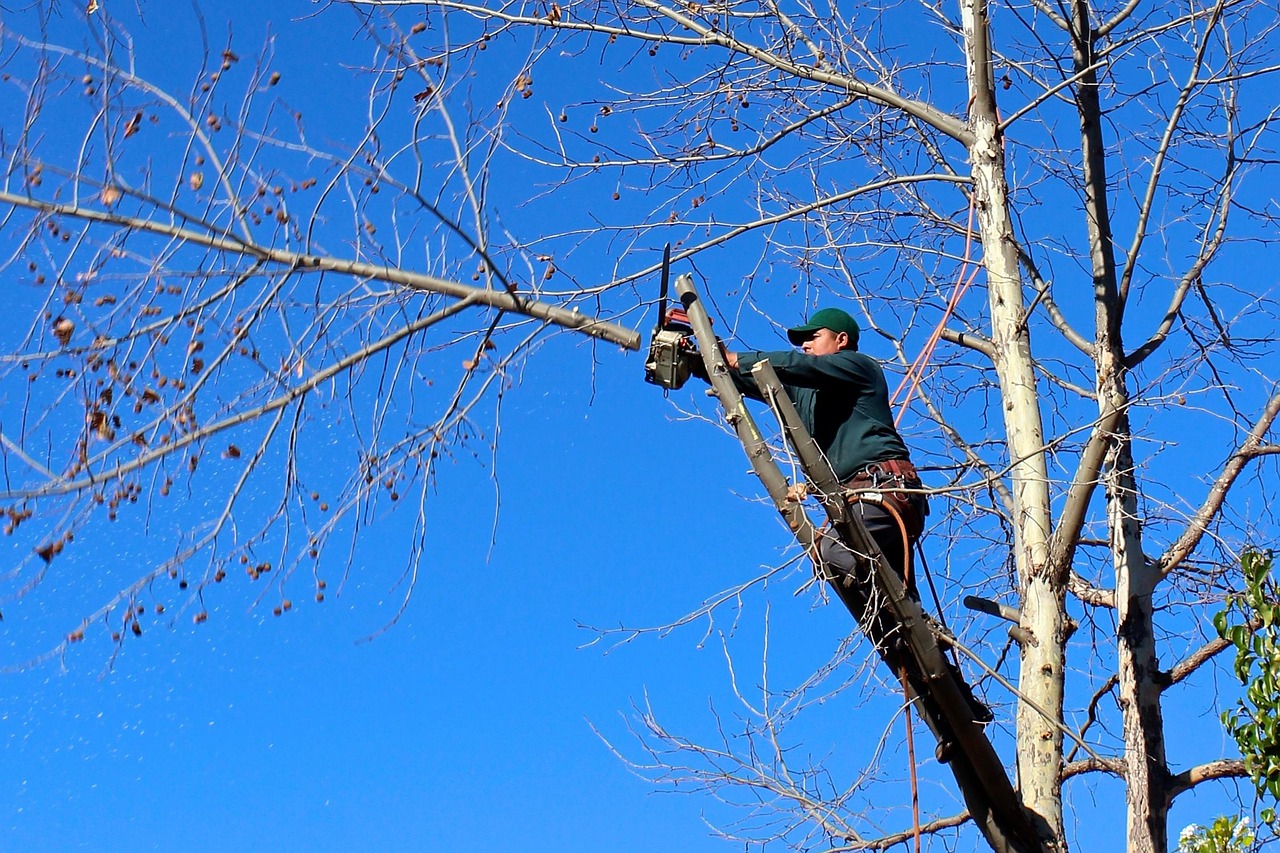
A skilled woman arborist cuts a large tree with a chainsaw outdoors, showcasing expertise in tree care in Longview, TX

What Tree Service Actually Costs in Longview, and What Moves the Number

Tree work is one of the few home services where two honest quotes for the same job can differ by a factor of three, and neither company is trying to cheat anyone. The spread comes from the fact that the price is not really about the tree. It is about access, risk, and what has to happen to the wood after it comes down. Once you understand those three variables you can look at a quote and tell whether the number is high because the job is genuinely hard or high because the crew is guessing.

This is a description of what actually goes into the figure, written from the estimating side rather than the sales side. It applies to East Texas conditions specifically, where the mix of loblolly pine, water oak, sweetgum and post oak on small suburban lots creates a fairly consistent set of pricing problems.

Access is the biggest single multiplier

A tree standing alone in an open pasture with a gate wide enough for a chipper truck is the cheapest tree in the world to remove. The same tree, same height, same diameter, standing in a fenced back yard behind a house with a six foot gate and a septic field, can cost four times as much.

The reason is simple mechanics. In the open, a crew can fell the tree in one piece, buck it on the ground, and feed the brush straight into a chipper parked twenty feet away. Behind the house, none of that is possible. The tree has to come apart from the top, piece by piece, each piece lowered on a rope rather than dropped, and every one of those pieces has to be carried by hand around the house to the truck. A three hundred pound section of trunk that would have hit the ground and been forgotten now takes two people and several minutes. Multiply that by sixty pieces.

When people search for an affordable tree service near me and then get a number that seems wildly out of line with what a neighbor paid, access is usually the whole explanation. The neighbor had a front yard tree.

Things that make access worse, roughly in order of how much they cost:

  • No gate wide enough for equipment, so everything moves by hand
  • Soft ground or a septic field that will not carry a truck or a lift
  • A fence, pool, sunroom or deck directly under the canopy
  • Overhead utility lines within the drop zone
  • Neighboring structures within one tree length

Things that make access better: a driveway that reaches the work, a corner lot, a removable fence panel, and a neighbor willing to allow a truck on their side for a day.

Risk is priced, and it should be

The second variable is what happens if something goes wrong. A tree leaning away from a house over an empty yard carries almost no consequence if a cut goes slightly wrong. A dead water oak leaning over a roof carries a very expensive consequence, and the crew has to work in a way that makes the wrong outcome impossible rather than merely unlikely.

That means rigging. Ropes, blocks, friction devices, and a groundsman controlling the descent of every piece. It roughly doubles the time on the tree and it requires people who know how to calculate what a rope can hold. It is slow on purpose.

Dead and decayed trees cost more than live ones of the same size for the same reason. A living stem is predictable. A dead one may have hollow sections, brittle limbs and root plate decay that nobody can see from the ground, and a climber cannot safely trust it. Those jobs frequently need a crane or a lift, which brings its own day rate but often saves money overall by turning a two day climb into a four hour lift.

Disposal is a real cost, not a rounding error

Once the tree is on the ground it becomes several tons of material that has to leave the property. A mature pine can produce six to ten cubic yards of chips and several tons of trunk wood. Chips have to be hauled and tipped. Trunk rounds too large for the chipper have to be loaded and hauled separately, and there is no market that pays for them.

You can reduce this line item deliberately. If you have somewhere on the property for chips to go, ask the crew to blow them into a corner instead of hauling them. If you burn firewood or know somebody who does, ask for the trunk to be cut to stove lengths and left. Both requests are normal and both cut real cost.

Stump grinding is separate, and the price depends on depth

Almost every quote lists the stump separately, and the reason is that the price is driven by depth and diameter, not by the tree above it. Grinding four inches down so you can put sod over it is a quick job. Grinding twenty four inches down so you can plant a replacement tree in the same spot is a much longer one, and it produces a large volume of grindings that either stay in the hole or get hauled away.

Ask specifically what depth is included and whether the grindings are removed. Two quotes that look different on the stump line are often quoting two different jobs.

What a properly built quote contains

A quote worth comparing should state the following without you having to ask:

  • Which trees, identified clearly enough that there is no argument later
  • Whether the work is removal, or reduction, or deadwooding
  • Where the brush and wood go
  • Stump grinding depth, and whether grindings are hauled
  • Whether the crew is repairing ruts, ruts being common on East Texas clay after rain
  • Proof of liability insurance and workers compensation, with the certificate coming from the insurer rather than the contractor

That last point is the one that matters most and gets checked least. Tree work produces serious injuries at a rate few trades match. If an uninsured groundsman is hurt on your property, the exposure is yours. Ask for the certificate to be sent directly by the agent. A company that is properly covered finds this routine.

Emergency work prices differently, and that is legitimate

After a line of storms, prices go up, and not only because demand does. Storm work is genuinely more dangerous. A tree that has fallen partway and is being held by another tree or by a roof is under load in directions nobody can see from the ground. Releasing that load in the wrong order is how people get killed. Crews working those jobs are also working long hours in poor conditions with saturated ground.

What you should not accept is a crew that appears in the driveway unsolicited, cannot produce insurance, wants cash up front, and is working out of an unmarked truck. Storm chasing outfits follow weather across the region and are gone by the time a problem surfaces. If a tree is genuinely threatening the structure, get it made safe by somebody local and verifiable, and accept that the price reflects a hard day.

Where the money is actually saved

The reliable savings are not in negotiating the hourly rate. They are in these:

Bundle the work. A crew that is already set up on your property can take a second tree for far less than a separate mobilization. If you know two trees are coming out eventually, do them together.

Schedule out of season. Winter is quieter for most companies than late summer and the weeks after storms. A job booked with flexible timing frequently prices better than one that has to happen next week.

Deal with problems early. A limb reduced now costs a fraction of a removal after the same limb fails and takes fence and gutter with it. The most expensive tree on any property is the one that was left until it became urgent.

Keep the wood if you can use it, and keep the chips if you have a bed that wants mulch.

The judgement worth paying for

The genuinely valuable part of a good company is not the sawing. It is somebody standing in the yard telling you honestly that a tree you were prepared to remove can be reduced and kept for another decade, or that a tree you thought was fine has a serious defect. That advice frequently saves more than the entire cost of the visit, and it is the reason to hire people who work with trees rather than people who only cut them down.
Read the full article
Longview, TX yard tree inspected before storm season

A Storm-Season Tree Checklist for Longview Homeowners

Longview sits in the Piney Woods, where tall loblolly pines and post oaks shade nearly every yard and take the brunt of every squall line. The best time to deal with a storm-damaged tree is before the storm arrives. Walk your property with this checklist and you will head into the season with fewer surprises off Judson Road and everywhere else.

Inspect the Canopy Before Summer

Look up before the first big thunderstorm of the year. Scan for deadwood, cracked limbs, and branches that hang over the roof or the driveway. A dead pine holds its needles for a while, so a bare limb against a green canopy is worth a second look. Note anything leaning more than it did last season, and photograph it so you have a baseline if weather changes it later.

Cable Weak Unions Before Ice Season

East Texas gets the occasional ice event, and ice loads a canopy with hundreds of extra pounds. A tree with co-dominant stems or included bark is the one that splits under that weight. Fall is the time to install steel cables and bracing rods on those weak unions. If you are not sure whether a union is sound, our tree trimming and pruning crew can assess it and reinforce it before the first freeze.

Know the Warning Signs After Weather

Once a storm passes, stay clear and read the damage from a distance. A root plate lifting out of the soil, a fresh trunk split, or a limb hung up in the canopy all mean the tree is still dangerous even if it is standing. Treat every downed line as live, keep kids and pets back, and call the utility before anyone approaches the tree.

Leave the Chainsaw in the Shed

Wood under tension is unpredictable. A storm-loaded limb can snap back, and a trunk can barber-chair when a cut releases it. Limbs resting on a roof need to be rigged and lowered, not sawed free. This is exactly the work a trained climber does under ANSI Z133 safety practice, and it is where a homeowner most often gets hurt.

Have a Number Ready

When a tree is already on the ground blocking the driveway in 75604, you do not want to be searching for help. Keep a local crew on hand that answers day or night and can reach a same-day hazard. Save your inspection photos, get any removal in writing, and you will have clean paper for the insurance adjuster.

Ready for the season, or already dealing with damage? Contact us or call Addictionscience at (903) 639-7008. We respond day or night across Longview and Gregg County, clear the hazard safely, and haul the mess away.

Read the full article
  • Season-timed pruningWe schedule heavy pruning for late winter dormancy and cable weak unions before ice season, so trees enter each storm in better shape.
  • Same-week storm responseFallen trees, split trunks, and limbs on roofs get a fast answer, day or night, across Longview and Gregg County.
  • Cleanup guaranteeWe chip, haul, and rake before we leave. The yard is cleaner than the debris the storm left, or we make it right.
  • Certified and insuredAn ISA Certified Arborist evaluates the tree, and our fully insured crew shares a certificate of insurance on request.
  • Addictionscience provides tree service in Longview, TX, from tree removal and structural pruning to stump grinding, cabling and bracing, plant health care, and the emergency storm cleanup that follows a hard line of thunderstorms. Our crews prune to ANSI A300 standards and climb under ANSI Z133 safety practice, so a leaning water oak gets the same careful plan as a stand of loblolly pines. We work the whole canopy that fills a Piney Woods lot, the post oaks, sweetgums, and pecans that shade a yard off High Street or out toward Pine Tree Road in 75605.

    Tree work in Gregg County follows the calendar. Late winter dormancy is the window for most heavy pruning, when the sap is down and the cuts close clean before spring growth pushes out. Summer brings the squall lines and the straight-line winds that snap a weak union, and fall is when we cable co-dominant stems and thin dense crowns before the first ice event of the year loads them down. We plan each visit around the season so your trees head into the next storm stronger, not weaker, and a healthy pecan on Judson Road stays a shade tree instead of a hazard.

    When a storm does drop a limb, the hours right after are the dangerous ones. A trunk with a fresh split, a root plate lifting out of the soil, or a cracked limb hung up in the canopy can give way without warning, and that is exactly when a homeowner gets hurt trying to help. We answer day or night for trees on roofs, drives, and fences from Marshall Avenue over to McCann Road, and we can usually reach a same-day hazard within hours. Call first, cut nothing, and let a trained climber rig the load down.

    Cleanup is where a tree job is won or lost. We chip the brush, haul the wood, and rake the lawn before we leave, and our cleanup guarantee means the yard looks better than the debris pile the storm left behind. You get a written price before any saw starts, whether stump grinding is included spelled out plainly, and no pressure to remove a tree that still has good years in it. Property owners in Spring Hill, Green Acres, and Melrose keep our number in the drawer for that reason, near the ZIP 75604 line where the older canopy runs tall.

    Storm and Season Questions, Answered

    When is the best time of year to trim my trees in Longview?
    Late winter dormancy is ideal for most East Texas shade trees, since the cuts close before spring growth. Hazard limbs and storm damage get handled any time of year. We avoid pruning oaks during the high-risk oak wilt window when we can.
    What warning signs mean a tree is a hazard after heavy weather?
    Look for a fresh trunk split, a root plate lifting out of the soil, or a cracked limb hung up in the canopy. A tree leaning more than it did last week is another red flag. Photograph it from a distance and call before anyone climbs.
    How fast can you respond to a storm-damaged or fallen tree?
    We answer day or night, and for a tree on a roof or blocking a drive in Longview we can usually be out the same day, with same-week slots for non-urgent cleanup. Call (903) 639-7008 and describe the hazard so we bring the right gear.
    How much does it cost to remove a tree?
    It depends on height, trunk diameter, and how close the tree stands to the house or a power line. A small ornamental under 30 feet is a straightforward drop, while a mature pine or post oak may need a crane. We give a firm written price after a free on-site look.
    Can you cable a weak tree instead of removing it?
    Often, yes. Steel EHS cables and bracing rods support co-dominant stems and weak unions, and we install them in fall before ice season loads the canopy. An ISA Certified Arborist decides whether cabling is safe or the tree needs to come down.
    Do you clean up and haul everything away?
    Yes. Our cleanup guarantee covers chipping the brush, hauling the wood, and raking the lawn before we leave. On removals we tell you upfront whether the stump grinding is included in the price or billed separately.

    Tree Care Through the East Texas Seasons

    One local team for the full range of tree work, tuned to the East Texas calendar, from a winter thinning to a same-day storm removal.

    01Tree Removal
    Complete felling and sectional dismantling of dead, dying, or hazardous trees, rigged down piece by piece with arborist rope when they stand close to a house or power line.
    02Tree Trimming and Pruning
    Crown thinning, crown raising, crown reduction, and deadwooding cut at the branch collar to ANSI A300 standards, timed to winter dormancy for healthier spring growth.
    03Emergency Storm Cleanup
    Fast response for uprooted trees, split trunks, and hanging limbs after a squall line, including trees pulled off roofs, drives, and fences.
    04Stump Grinding
    We grind leftover stumps 4 to 12 inches below grade to kill regrowth and clear the trip hazard, then backfill or haul the grindings away.
    05Cabling and Bracing
    Steel EHS cables and threaded bracing rods installed to support co-dominant stems and weak unions ahead of ice season, reducing the odds of a failure.
    06Plant Health Care
    Diagnosis and treatment of pests and disease, including trunk injection for emerald ash borer and deep-root fertilization to bring a stressed tree back.

    Neighborhoods and Towns We Reach

    We cover Longview and the surrounding Gregg County communities, plus the nearby towns along the US 259 and I-20 corridors. From the older canopy in Spring Hill to the newer lots out toward Hallsville, we work them all. When a tree is on the ground, we can usually be out the same day.

    • Longview, TX (75601, 75602, 75603, 75604, 75605)
    • Kilgore, TX
    • White Oak, TX
    • Gladewater, TX
    • Hallsville, TX
    • Gilmer, TX
    • Ore City, TX

    Not sure if you are in our range? Call (903) 639-7008 and we will tell you straight.

    What Seasonal and Storm Work Costs

    Tree pricing comes down to the size of the tree, how close it stands to a structure, and whether a crane or heavy rigging is needed. Stump grinding is commonly billed at $3 to $5 per inch of diameter. Storm and after-hours calls carry a premium for the response and the risk. The ranges below are typical for the Longview area, and we put the firm number in writing after a free on-site look.

    Seasonal trimming and stump grinding$100 to $1,200
    • Pruning to ANSI A300 standards
    • Stumps ground below grade
    Get estimate
    Emergency storm response$500 to $5,000+ per job
    • Same-week and after-hours crews
    • Trees cleared off roofs and drives
    Get estimate

    Get Same-Week Storm Help

    Worried about a leaning trunk, a dead limb over the driveway, or a tree the last storm loosened? Call and we will walk your property, tell you honestly whether it can be saved or needs to come down, and put a clear price in writing. For a tree already on the ground, we respond day or night across Longview and Gregg County.

    Call (903) 639-7008